LEVEL8 : Transform your journey by suitcases and bags.
Showing posts with label check-in luggage. Show all posts

Monday, 26 April 2021

Traveling with an airline has a lot of different aspects that require planning and paying attention to detail—one of which is how to pack luggage. 

Not all luggage is the same. For this, you must pack items according to their size, weight, or function. Moreover, airlines ensure that all baggage is stored correctly so that every passenger is comfortable and, most importantly, safe.  

When traveling by plane, there are two main luggage options: carry-on or check-in. It is always possible to utilize both; many travelers take advantage of both for more storage. 

A carry-on bag is a luggage that airplane passengers can take and store with them during the flight. Checked-in luggage is baggage stored in the cargo section of the plane, away from the passengers. 

Between carry-ons and checked luggage, there are some differences. You may want to review these differences before you start packing for your next flight. 
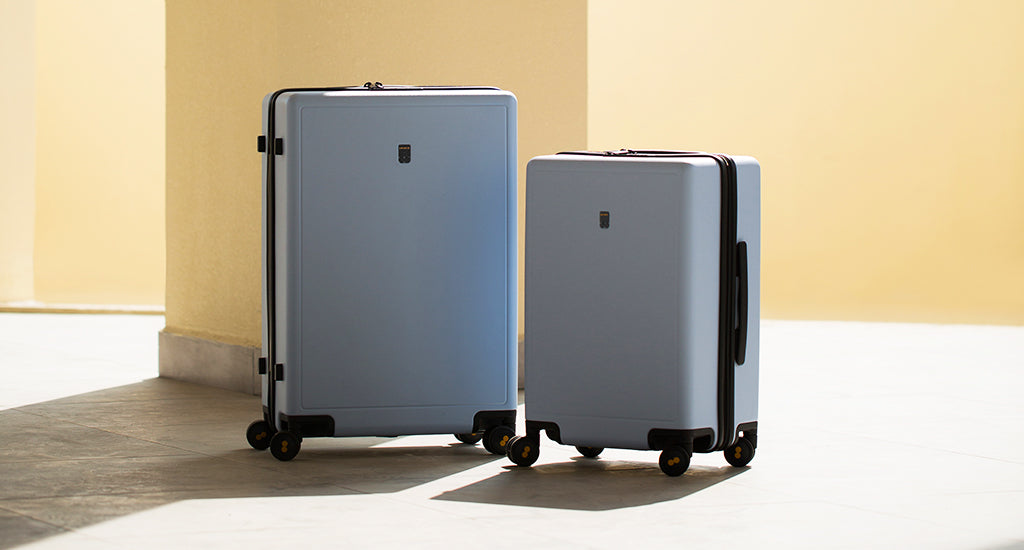
carry on luggage & check-in luggage

Size

Size is a significant difference between carry-on and checked luggage. For the sake of safety, planes have a size limit on bags that passengers bring along with them on the flight. Additionally, planes typically have storage containers above the seats. All luggage on the flight must fit into these compartments. Otherwise, there is no space to keep the luggage. 

You should make note that the size limit for carry-on bags differs between airlines. Some have planes with larger storage, and others have very limited space. It is crucial to look up your airline’s carry-on size limit before packing. However, the differences between size limits are usually within inches. 

Including wheels and handles, the maximum dimensions for a carry-on bag should be about nine inches by 14 inches by 22 inches or 22 centimeters by 35 centimeters by 56 centimeters. However, this can change depending on the airline. 

A checked bag, of course, is different. This type of luggage can be larger than carry-ons since they are not stored in the seating area of the plane. The maximum dimensions for checked baggage also vary by airline. For a rough estimate, the biggest a checked bag can be is about 14 inches by 21 inches by 27 inches or 35 centimeters by 53 centimeters by 68 centimeters. 

Size

Weight

There are also differences between the weights of each luggage type. Carry-ons, based on their size restrictions, are lighter than checked bags. Again, the weight limit depends on the airline. It would help if you were sure to find the weight limits on luggage before packing. 

Generally, carry-on bags can be up to 22 pounds or about 10 kilograms. A checked bag has more freedom and can weight up to approximately 50 pounds, or 22 kilograms. 

Weight

Function

Size and weight play a factor in separating the characteristics between carry-ons and checked luggage. This means that there are different uses for both. 

In your carry-on, you should pack important items, such as travel documents, medicine, and things of significant value. Passengers should be warned that there is always a possibility the airline loses your checked luggage. With carry-ons, your items stay with you the entire flight. 

Blog source: https://www.level8cases.com/blogs/blog/the-difference-between-carry-on-luggage-and-check-in-luggage

Traveling with an airline has a lot of different aspects that require planning and paying attention to detail—one of which is how to pack luggage. 

Not all luggage is the same. For this, you must pack items according to their size, weight, or function. Moreover, airlines ensure that all baggage is stored correctly so that every passenger is comfortable and, most importantly, safe.  

When traveling by plane, there are two main luggage options: carry-on or check-in. It is always possible to utilize both; many travelers take advantage of both for more storage. 

A carry-on bag is a luggage that airplane passengers can take and store with them during the flight. Checked-in luggage is baggage stored in the cargo section of the plane, away from the passengers. 

Between carry-ons and checked luggage, there are some differences. You may want to review these differences before you start packing for your next flight. 

carry on luggage & check-in luggage

Size

Size is a significant difference between carry-on and checked luggage. For the sake of safety, planes have a size limit on bags that passengers bring along with them on the flight. Additionally, planes typically have storage containers above the seats. All luggage on the flight must fit into these compartments. Otherwise, there is no space to keep the luggage. 

You should make note that the size limit for carry-on bags differs between airlines. Some have planes with larger storage, and others have very limited space. It is crucial to look up your airline’s carry-on size limit before packing. However, the differences between size limits are usually within inches. 

Including wheels and handles, the maximum dimensions for a carry-on bag should be about nine inches by 14 inches by 22 inches or 22 centimeters by 35 centimeters by 56 centimeters. However, this can change depending on the airline. 

A checked bag, of course, is different. This type of luggage can be larger than carry-ons since they are not stored in the seating area of the plane. The maximum dimensions for checked baggage also vary by airline. For a rough estimate, the biggest a checked bag can be is about 14 inches by 21 inches by 27 inches or 35 centimeters by 53 centimeters by 68 centimeters. 

Size

Weight

There are also differences between the weights of each luggage type. Carry-ons, based on their size restrictions, are lighter than checked bags. Again, the weight limit depends on the airline. It would help if you were sure to find the weight limits on luggage before packing. 

Generally, carry-on bags can be up to 22 pounds or about 10 kilograms. A checked bag has more freedom and can weight up to approximately 50 pounds, or 22 kilograms. 

Weight

Function

Size and weight play a factor in separating the characteristics between carry-ons and checked luggage. This means that there are different uses for both. 

In your carry-on, you should pack important items, such as travel documents, medicine, and things of significant value. Passengers should be warned that there is always a possibility the airline loses your checked luggage. With carry-ons, your items stay with you the entire flight. 

Blog source: https://www.level8cases.com/blogs/blog/the-difference-between-carry-on-luggage-and-check-in-luggage

Wednesday, 20 May 2020

Traveling can present unique challenges to protecting your belongings. At home, your possessions are protected under the lock of your front door, but during travel, those belongings are much more in the open. Protecting your check-in luggage or really any possessions you take on your trip can mean getting travel insurance.

Depending on where and when your luggage is stolen, it could be covered by the party responsible for caring for it during that time, such as a hotel concierge, airline, or cruise ship. However, there are many grey areas to whether or not these entities are actually responsible for your bag at that time.

As you evaluate travel insurance for your next trip, here’s what you should be considering as you evaluate its worth. 

Airline coverage for check-in luggage

When an airline is at fault for lost luggage, it will cover that luggage to a certain degree. Each airline has a policy for what and how much it will cover. You should know that there are specific circumstances surrounding this though that could be excluded.

For example, if someone were to mistakenly take your bag instead of their own at baggage claim, that is unlikely to be covered as the airline did not lose that luggage. And there is no coverage for loss of use of those belongings when your luggage gets transported to the wrong airport but the airline gets it back to you within a few days.
Regardless of your airline’s policies about whether or not it will cover your check-in luggage, you should know that most airlines have a cap of $3,500 per traveler when it comes to covering the cost of misplaced luggage during air travel.  

And, if you’re counting on the airline covering your check-in luggage, don’t forget that this means you’ll have no coverage for the belongings you keep with you on the plane and through the airport during your travels.

Airline coverage for check-in luggage

Travel insurance to protect luggage

Travel insurance is much more comprehensive than counting on each travel entity to cover your luggage while in their possession. And because insurance companies deal with these cases regularly, they’re much quicker in their claim responses so you can replace your goods as quickly as possible.

You should be aware that some travel insurance policies do not include luggage coverage or the coverage is exceedingly limited. Before you count on your travel insurance protecting your luggage, discuss the matter with your insurance agent or travel agent who assisted you in purchasing the coverage.

Review the scenarios the coverage insures and know your deductible should anything happen. Depending on the value of your luggage and its contents, it might not even be worth it to make a claim if your deductible is high. Additionally, you might need to prove the value of the luggage content with receipts if you’re carrying high-ticket items.

travel insurance

Carry on and check-in luggage to prevent theft

One aspect of protecting your luggage during travel is to ensure you have proper locks on the luggage. While a lock is no guarantee of protection, it can deter thieves and lead them toward other luggage that is easier to steal.

When you purchase carryon luggage or check-in luggage from LEVEL8, you can rest assured that you have one of the best TSA-approved locks on the market. All our suitcases come equipped with these locks to give you the protection you need to travel in comfort. See our full collection of outstanding and stylish luggage.


Carry on and check-in luggage to prevent theft

Traveling can present unique challenges to protecting your belongings. At home, your possessions are protected under the lock of your front door, but during travel, those belongings are much more in the open. Protecting your check-in luggage or really any possessions you take on your trip can mean getting travel insurance.

Depending on where and when your luggage is stolen, it could be covered by the party responsible for caring for it during that time, such as a hotel concierge, airline, or cruise ship. However, there are many grey areas to whether or not these entities are actually responsible for your bag at that time.

As you evaluate travel insurance for your next trip, here’s what you should be considering as you evaluate its worth. 

Airline coverage for check-in luggage

When an airline is at fault for lost luggage, it will cover that luggage to a certain degree. Each airline has a policy for what and how much it will cover. You should know that there are specific circumstances surrounding this though that could be excluded.

For example, if someone were to mistakenly take your bag instead of their own at baggage claim, that is unlikely to be covered as the airline did not lose that luggage. And there is no coverage for loss of use of those belongings when your luggage gets transported to the wrong airport but the airline gets it back to you within a few days.
Regardless of your airline’s policies about whether or not it will cover your check-in luggage, you should know that most airlines have a cap of $3,500 per traveler when it comes to covering the cost of misplaced luggage during air travel.  

And, if you’re counting on the airline covering your check-in luggage, don’t forget that this means you’ll have no coverage for the belongings you keep with you on the plane and through the airport during your travels.

Airline coverage for check-in luggage

Travel insurance to protect luggage

Travel insurance is much more comprehensive than counting on each travel entity to cover your luggage while in their possession. And because insurance companies deal with these cases regularly, they’re much quicker in their claim responses so you can replace your goods as quickly as possible.

You should be aware that some travel insurance policies do not include luggage coverage or the coverage is exceedingly limited. Before you count on your travel insurance protecting your luggage, discuss the matter with your insurance agent or travel agent who assisted you in purchasing the coverage.

Review the scenarios the coverage insures and know your deductible should anything happen. Depending on the value of your luggage and its contents, it might not even be worth it to make a claim if your deductible is high. Additionally, you might need to prove the value of the luggage content with receipts if you’re carrying high-ticket items.

travel insurance

Carry on and check-in luggage to prevent theft

One aspect of protecting your luggage during travel is to ensure you have proper locks on the luggage. While a lock is no guarantee of protection, it can deter thieves and lead them toward other luggage that is easier to steal.

When you purchase carryon luggage or check-in luggage from LEVEL8, you can rest assured that you have one of the best TSA-approved locks on the market. All our suitcases come equipped with these locks to give you the protection you need to travel in comfort. See our full collection of outstanding and stylish luggage.


Carry on and check-in luggage to prevent theft